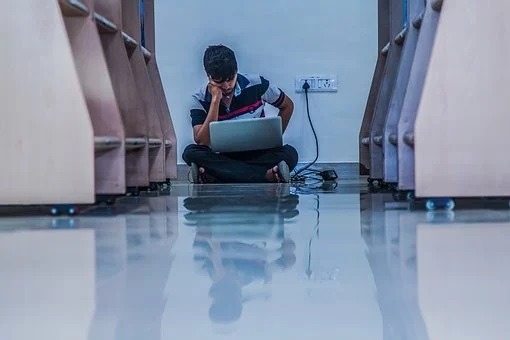
Austin Remote Work Culture and Productivity Spaces

Austin has become one of the most popular cities in the U.S. for remote workers, thanks to its strong tech presence, flexible work culture, and wide range of productivity spaces. From coworking hubs and coffee shops to home offices and hybrid setups, the city offers multiple ways to stay productive while enjoying a more balanced lifestyle.
While exact figures vary by source and year, Austin continues to see significant growth in remote and hybrid work, supported by a steady influx of tech professionals and startups.
Why Austin Works for Remote Tech Workers
Austin’s appeal to remote workers goes beyond cost savings. The city combines a thriving tech ecosystem—with companies like Dell, Apple, Google, and numerous startups—with a culture that supports flexibility and collaboration.
Many employers now offer remote or hybrid roles, allowing professionals to work from home while still accessing in-person collaboration when needed. Austin’s networking opportunities, meetups, and industry events make it easier to stay connected even without a traditional office.
The city’s lifestyle also plays a role. Access to outdoor spaces, a strong food scene, and a creative culture help support work-life balance, which is a major factor for remote professionals choosing where to live.
Internet Speed and Connectivity in Austin
Reliable internet is essential for remote work, and Austin generally offers high-speed connectivity across most neighborhoods. Fiber services from providers like Google Fiber and AT&T Fiber are available in many areas, offering fast upload and download speeds suitable for video calls, cloud-based work, and large file transfers.
Cable providers such as Spectrum and regional providers also offer solid coverage, though speeds and availability vary by location. Instead of relying on a single citywide average, it’s best to check service options at a specific address before committing to a lease or workspace.
Overall, Austin’s infrastructure supports most remote work needs, from everyday communication to more demanding technical workflows.
Cost of Living for Remote Workers in Austin

Austin remains more affordable than cities like San Francisco, though costs have risen in recent years. One-bedroom apartment rents often range widely depending on location, with central areas typically higher than suburban neighborhoods.
Coworking memberships also vary, with options ranging from basic hot desks to premium private offices. Monthly costs can differ significantly based on amenities and location, so comparing spaces is important.
Texas’ lack of state income tax is often cited as a financial advantage, though overall affordability depends on housing, lifestyle, and individual spending habits.
Where Remote Workers Actually Work in Austin
Remote workers in Austin have a variety of workspace options:
- Coworking spaces such as WeWork, Industrious, and local independent hubs
- Coffee shops and cafés across neighborhoods like South Congress, East Austin, and Downtown
- Home offices, which remain the most common setup for many professionals
- Hybrid office environments at major tech campuses
Austin’s coworking scene continues to grow, with new spaces opening as demand increases. Many professionals rotate between environments depending on the day, balancing focus, collaboration, and social interaction.
Popular Coworking Spaces and Productivity Hubs
Austin’s coworking ecosystem includes both national brands and local operators offering flexible work environments.
- WeWork – Multiple locations with full-service amenities
- Industrious – Professional office-style coworking with quieter workspaces
- Impact Hub Austin – Focused on community and social impact businesses
- Createscape Coworking – A locally owned space with a creative, relaxed atmosphere
These spaces typically offer high-speed internet, meeting rooms, and flexible membership options, making them a practical choice for remote professionals who need structure outside the home.
How Hybrid Work Is Shaping Austin’s Tech Scene
Hybrid work has become the dominant model for many companies in Austin. While some organizations require in-office days, others offer more flexible arrangements depending on the role.
Instead of a universal “3-2” schedule, policies vary widely by company. Major tech employers have adopted different approaches to in-office expectations, reflecting an ongoing shift in how work is structured.
This flexibility has helped companies attract talent while allowing employees to maintain a better balance between productivity and personal time.
Meeting Other Remote Professionals in Austin
One of the biggest advantages of working remotely in Austin is the ability to connect with others outside a traditional office.
Networking opportunities are available through:
- Coworking spaces and shared offices
- Industry meetups and tech events
- Workshops, panels, and startup gatherings
Neighborhoods like Downtown, East Austin, and The Domain are especially active, offering regular opportunities to meet other professionals. These connections often lead to collaborations, job opportunities, and a stronger sense of community.
Coffee Shops and Casual Workspaces
Austin’s coffee culture plays a major role in its remote work environment. Many cafés are designed with remote workers in mind, offering Wi-Fi, ample seating, and a relaxed atmosphere.
Popular areas for working remotely include:
- South Congress (SoCo) – Busy, energetic, and walkable
- East Austin – Creative spaces with independent cafés
- Downtown – Convenient access to offices, coworking, and transit
While not all cafés are ideal for long work sessions, many provide a flexible alternative to traditional office settings.
Tips for Staying Productive While Working Remotely in Austin
Working remotely in Austin comes with unique advantages, but staying productive still requires intentional habits.
- Choose the right environment for your task—quiet spaces for focus, social spaces for collaboration
- Take advantage of outdoor breaks to recharge during the day
- Rotate between home, coworking, and cafés to avoid burnout
- Stay connected through meetups and professional communities
Balancing flexibility with structure helps maintain productivity while making the most of Austin’s lifestyle.
Outside of work hours, exploring things to do in Austin can help remote workers maintain balance and stay connected to the city’s culture.
Conclusion
Austin continues to attract remote workers by offering a mix of career opportunities, flexible work environments, and strong community connections. From coworking spaces and coffee shops to hybrid offices and outdoor-friendly routines, the city supports a wide range of work styles.
For those looking to combine productivity with quality of life, Austin provides an environment where remote work can feel both efficient and engaging.