
Why Animal Jokes, Silly Humor, and Pub-Night Laughs Never Go Out of Style
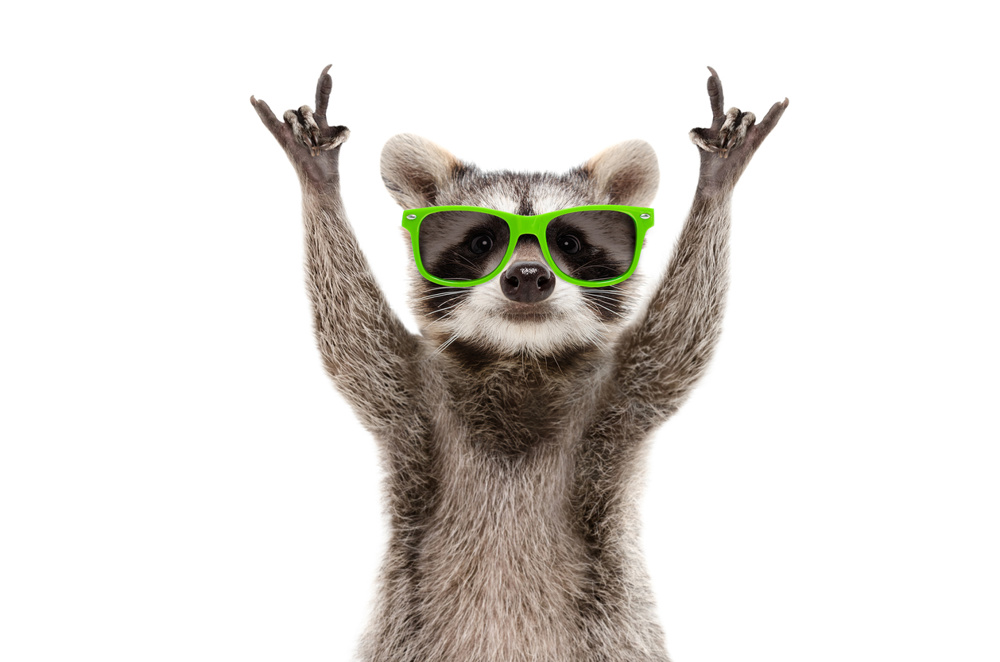
Animal jokes, silly humor, and pub-night laughs never seem to disappear. Long after specific comedy trends fade, people still laugh at a talking dog, a confused duck, or a terrible pun involving a cat. The format survives because it taps into something simple and universal. Most people know animal behaviors, recognize common traits, and can understand the setup almost instantly.
That familiarity gives animal humor a unique advantage. Unlike topical jokes that depend on current events or pop-culture references, animal jokes rarely require background knowledge. Whether they're shared around a pub table, dropped into a group chat, or used as an icebreaker at a party, they work because they are easy to understand and easy to remember. A closer look at psychology, storytelling, and social interaction helps explain why these jokes continue to thrive generation after generation.
The Psychology Behind Why Animal Jokes Land So Fast
Animal jokes land quickly because your brain already understands the characters involved. You don't need a lengthy introduction to know that dogs are loyal, cats are independent, or parrots repeat what they hear. Those associations have been built over years of observation, stories, cartoons, and cultural traditions.
Psychologists often describe this as cognitive ease. When information feels familiar, your brain processes it with less effort. That means the setup arrives quickly and the punchline can get straight to work. A joke about a cat refusing to follow instructions immediately makes sense because the stereotype already exists in the listener's mind.
Humor also depends on surprise. Animal jokes work particularly well because they combine something familiar with something unexpected. A dog behaving like an accountant or a duck delivering a clever comeback creates a small mental mismatch that feels amusing rather than confusing. The audience understands the setup instantly, making the payoff arrive faster and with greater impact.

The Cognitive Shortcuts That Make Silly Jokes Stick
Humor doesn't always succeed because it's complex. In many cases, the opposite is true. Simple jokes often work because the brain loves shortcuts. When listeners recognize a familiar pattern, they process information more efficiently. Instead of analyzing every detail, they jump straight to the punchline.
This phenomenon, often called processing fluency, helps explain why short jokes are so satisfying. The audience reaches the payoff quickly, which creates a smooth and enjoyable experience. Animal jokes benefit from this because they rely on concepts people already understand. The same principle helps explain the popularity of animal jokes for a quick laugh. People enjoy humor that delivers a payoff quickly without requiring extensive context or explanation.
A joke about a lazy cat or an energetic puppy doesn't require background information. The audience already knows the stereotype, making it easier to appreciate the twist. That's one reason silly humor often sticks in memory. The brain enjoys recognizing patterns, and animal jokes provide those patterns in a form that's quick, familiar, and rewarding.
Why Animal Puns Are the Easiest Jokes to Remember
Puns have a reputation for making people groan, but they also have an impressive ability to stay in memory. Animal puns are especially effective because they combine wordplay with strong visual imagery. Consider a phrase like "paw-sitive attitude" or "otterly amazing."
Even when the joke is simple, the listener immediately pictures the animal involved. That mental image acts like a memory hook, making the joke easier to recall later. Animal puns also benefit from repetition. People encounter animal names, sounds, and traits throughout everyday life, which reinforces the associations.
A joke involving a barking dog or a wise owl feels natural because those images are already stored in memory. This explains why animal puns frequently appear in greeting cards, classroom activities, social media captions, and family games. They may not always earn the biggest laughs, but they are remarkably difficult to forget.
How Wordplay and Misdirection Build the Perfect Animal Punchline
Most successful animal jokes rely on two classic comedy techniques: wordplay and misdirection. Misdirection works by encouraging the audience to expect one outcome before delivering another. The brain naturally predicts where a sentence is heading, which makes an unexpected ending more satisfying. Animal jokes often use familiar setups to create those expectations quickly.
Wordplay adds another layer of enjoyment. Animal sounds, names, and traits create endless opportunities for clever substitutions and unexpected twists. Even a simple change in wording can transform an ordinary sentence into a punchline.
For example, a joke like "Why don't fish play basketball? Because they're afraid of the net," works because it briefly encourages one interpretation before revealing another. The audience recognizes the shift immediately, creating the moment of humor. The structure remains simple, but simplicity is part of its strength
Animal Humor in Stories, Folklore, and Popular Culture
Long before memes and social media, people used animals as comedic characters in stories and folklore. Ancient fables featured talking animals that behaved like exaggerated versions of human beings, often delivering lessons through humor. These stories worked because animal personalities were easy to understand.
A clever fox, a stubborn donkey, or a boastful crow could communicate complex ideas without requiring lengthy explanations. The characters felt familiar even when the situations were fantastical. The tradition continued through cartoons, comic strips, and children's books. Generations grew up watching animated animals outsmart one another, make mistakes, and find themselves in ridiculous situations.
Characters like Bugs Bunny and Daffy Duck helped prove that animal humor could remain relevant across decades. Modern internet culture has simply adapted an old formula. Viral animal videos, reaction memes, and pet accounts succeed for many of the same reasons animal stories always have: people instantly understand the characters.
Why Pub Crowds Love a Quick Animal Joke
That same quick-hit structure that makes animal punchlines land in conversation works even better when there's a crowd involved. When you're at a pub, attention spans are short and noise levels are high, so a tight joke cuts through instantly.
Animal jokes fit that environment perfectly because they need no backstory and no explanation. You don't have to know the person next to you to share a laugh when someone drops a well-timed punchline. That's the power of rapid banter — it creates spontaneous bonding between strangers without any awkward setup.
The humor is accessible, clean, and quick enough to land between sips. Short animal jokes thrive in group settings because everyone gets them fast, laughs together, and moves on. That's exactly why they keep circulating.
How Short Animal Jokes Fit the Rhythm of Group Conversation
Group conversations move fast, and short animal jokes almost always find a natural gap to slip into. You don't need a long setup or a quiet room. Even with ambient noise around you, a tight two-liner cuts through cleanly because everyone already knows what a duck or a bear does. That instant recognition means you spend zero time explaining context.
Rhythmic timing matters here. You pick up on turn-taking cues, wait for the right pause, and deliver the punchline before the moment passes. Animal jokes fit naturally into the flow because they are brief enough to feel like part of the discussion rather than a performance that demands the spotlight. In social settings where attention shifts quickly, a joke that arrives and lands in seconds has a clear advantage over something that requires a lengthy setup.
That's one reason animal jokes remain popular at parties, family gatherings, and pub nights. They create a shared moment of laughter without interrupting the conversation itself. Everyone understands the premise immediately, the joke earns its reaction, and the group moves forward naturally. In a world where conversations often compete with distractions, short animal jokes succeed because they respect people's attention while still delivering a quick payoff.
How Animal Jokes Hit Differently for Children Versus Adults
The same joke about a talking dog often lands for completely different reasons depending on who's laughing. For kids, child interpretation stays literal and joyful. They laugh because a dog talking is absurd and delightful on its face. The surprise is enough.
Adults bring a different lens. You've accumulated enough experience to catch layered meaning, timing, and structure. Adult irony sneaks in when a punchline mirrors something frustrating about real life, like a pet ignoring commands or an owner being outsmarted by their own animal. Even a simple joke can take on extra meaning when it reflects everyday situations that adults recognize from experience.
That flexibility is one of the reasons animal humor survives across generations. Children enjoy the silliness, while adults appreciate the cleverness hiding underneath it. The joke doesn't need to change because different audiences naturally find different things to enjoy. A form of humor that can entertain both a seven-year-old and a seventy-year-old has a built-in advantage that many comedy trends simply don't have.
Why Animal Jokes Keep Spreading Across Every Platform
Animal jokes spread constantly because the format fits almost every platform without modification. You see them in comment sections, group chats, and viral formats that travel fast because they're short, clean, and instantly readable.
Crossposting strategies work effortlessly with these jokes since you don't need to reformat or rewrite them for different audiences. Platform memes built around animal humor consistently outperform longer content because recognition happens immediately. Here's why they keep spreading:
- Influencer marketing amplifies reach by packaging animal jokes into shareable reels and posts.
- Crossposting strategies require almost no effort because the content translates across text, image, and video.
- Platform memes using animals tap into existing emotional familiarity, making engagement nearly automatic.
Why Simple Animal Humor Outlasts Every Comedy Trend
Comedy trends burn fast, but simple animal humor keeps showing up in every generation's joke rotation. You don't need niche references or cultural context to laugh at a well-timed pun about a cat or a dog. That's the power of cultural universals—animals are part of everyday life across languages, ages, and backgrounds, making them reliable comedy material.
Visual simplicity also plays a role. When you hear an animal joke, your brain instantly pictures the animal, which speeds up recognition and makes the punchline land faster. There's no heavy lifting involved. A joke about a bear, a duck, or a mischievous monkey creates an immediate image that most people can understand without explanation.
Silly humor built around animals doesn't chase trends because it doesn't need to. It stays grounded in familiarity, brevity, and wordplay—three ingredients that continue working regardless of what comedy culture is doing at the moment. While specific memes, catchphrases, and internet jokes come and go, animal humor remains remarkably consistent. It has survived through folklore, cartoons, greeting cards, pub conversations, and social media because it taps into something timeless.
Conclusion
Animal jokes have lasted for generations because they combine several qualities that rarely go out of style. They are easy to understand, easy to remember, and easy to share. Familiar animal traits provide instant recognition, while wordplay, misdirection, and visual imagery create the surprise that makes people laugh.
Their versatility is equally important. Children enjoy the absurdity, adults appreciate the layers, and groups of strangers can laugh together without needing specialized knowledge or cultural context. Animal jokes travel effortlessly between blogs, group chats, party games, and everyday conversations because they ask very little from the audience while offering a quick reward in return.