DFW Suburbs Where Work-From-Home Life Actually Works

Frisco consistently ranks among the nation’s top suburbs for remote work, with about one-third of its workforce working from home (34.16% in one national study). Allen is also frequently cited as a remote-work standout in North Texas, and nearby cities like Plano, McKinney, and Richardson remain popular for hybrid-friendly lifestyles. You’ll benefit from strong home internet options (speed tests in Frisco commonly land in the 200–250 Mbps range), plus the practical perks of newer housing, walkable hubs, and everyday amenities. The combination of housing variety, community meetups, and solid digital infrastructure makes these suburbs ideal for building a sustainable remote work routine.
Why Frisco Leads the Nation in Remote Work Popularity
While many American cities have embraced remote work since the pandemic, Frisco stands out nationally, with about 34% of its workforce working from home in one widely cited analysis. This adds up to just over 40,000 people working remotely, showing how large the work-from-home base is even in a suburb. Remote worker migration trends help explain the momentum, but what makes Frisco especially workable is the blend of modern neighborhoods, strong connectivity, and a “you can get things done locally” layout. In Frisco speed-test data, typical download results often cluster in the 200–250 Mbps range, supporting video calls and large file transfers without constant headaches. The community impact of remote work extends beyond individual convenience. Local businesses can benefit from flexible weekday foot traffic and daytime demand. This shift has cultivated a tech-friendly identity while attracting diverse professionals who value suburban amenities with urban proximity—ultimately creating a sustainable work-life ecosystem.Top 5 DFW Suburbs with Thriving Remote Worker Communities
Five Dallas-Fort Worth suburbs have emerged as strong fits for remote workers, each offering advantages that extend beyond internet connectivity. Frisco is regularly highlighted as a national leader by remote-work share, while Allen has also ranked highly among North Texas cities in remote-work lists and coverage. Plano, McKinney, and Richardson remain popular picks because they pair established infrastructure with easy access to employers, dining, and “third spaces” like coffee shops and libraries. In practice, what draws remote workers to these suburbs is the combination of location, connectivity, and lifestyle perks that make daily work more productive—without sacrificing the occasional need for in-person collaboration.
The Economic Advantage of Remote Work in Dallas-Fort Worth
Remote work has reshaped the Dallas-Fort Worth economy, and it’s large enough to show up in major regional estimates. One analysis citing U.S. Census Bureau figures put DFW’s remote workforce at nearly 690,000 people as of 2023. Income differences can also be meaningful. A DFW-focused report citing Census Bureau data described remote-worker median earnings in Dallas as about $77,000 versus about $51,100 for non-remote workers, which helps explain why many remote workers prioritize neighborhood amenities and home features that support long workdays. Meanwhile, office strategies continue to evolve, and the push-pull between flexibility and on-site requirements affects commuting patterns, housing decisions, and where people choose to live within the metro.
Home Design Trends Adapting to Remote Work Needs in DFW
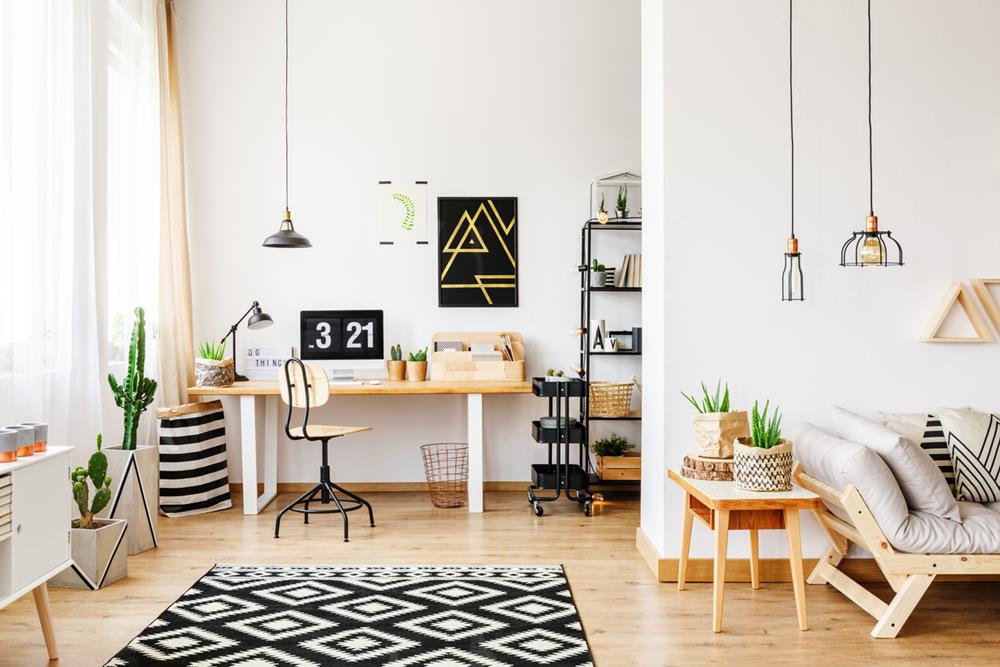
The financial and lifestyle advantages of working from home have reimagined living spaces across DFW suburbs. You’ll notice dedicated offices replacing formal dining rooms, with better lighting, more outlets, and layouts that support video calls and multiple devices. Multigenerational living is also influencing design, with dual primary suites and garage conversions or flexible bonus rooms that can become quiet work zones. These homes increasingly balance function and comfort, using materials and finishes that feel less “corporate” and more livable for all-day use. Smart home features are also common in newer builds, helping automate lighting and temperature while making workdays feel smoother. The overall goal is simple: a house that supports focused work without making the home feel like an office.
Local Infrastructure Supporting the Work-From-Home Lifestyle
View this post on Instagram
Successful remote work depends on more than a well-designed home office—it also requires local infrastructure that supports productivity and balance. In suburbs like Frisco and Allen, strong connectivity and competitive providers make it easier to keep meetings stable and workflows moving. In Frisco, recent speed-test summaries show average download results commonly landing around the low-to-mid 200 Mbps range, which is typically enough for video conferencing and cloud-based work. Many suburbs also offer coworking options and public “work-friendly” spaces, which can help break up the week and reduce isolation. Community meetups, business groups, and neighborhood events create low-pressure ways to keep professional relationships active without living on the highway.
How Remote Workers Are Reshaping Suburban Development
As more knowledge workers build long-term remote or hybrid routines, suburbs across North Texas are adapting in visible ways. You’ll see more homes marketed with dedicated office space and more commercial areas designed for daytime use, not just evenings and weekends. This shift also changes how communities think about convenience: coffee, errands, fitness, and parks matter more when your day is centered locally. With remote work concentrated heavily in places like Frisco, suburban development continues to tilt toward “complete neighborhood” living, where work-life needs can be met close to home.
Navigating Corporate Return-to-Office Policies in DFW
Major employers continue to adjust policies, and return-to-office expectations can change how people plan their weeks. Even with stricter mandates in some sectors, regional reporting still shows a large base of remote workers in North Texas, which keeps hybrid routines common. As you weigh options, it helps to consider:
- Corporate culture changes that affect flexibility
- Commute realities for “anchor days”
- Whether your suburb supports quick coworking alternatives and meeting-friendly spaces
If you plan for both home productivity and occasional in-person days, these suburbs make it easier to stay adaptable.
The Future of Remote Work in Dallas-Fort Worth Suburbs
Remote work has staying power in DFW suburbs because it’s now built into how people choose homes, schools, daily routines, and community life. Nationally, telework patterns continue to evolve, but remote work remains a substantial share of the workforce, especially for higher-education and knowledge roles. In North Texas, suburbs with strong connectivity and livable neighborhoods will keep attracting remote and hybrid workers who want flexibility without giving up amenities. The result is a new normal: fewer weekly commutes, more local routines, and suburban living that’s intentionally designed around the work-from-home day.
Related posts